Kilburn High Road garden maintenance guide for busy homes
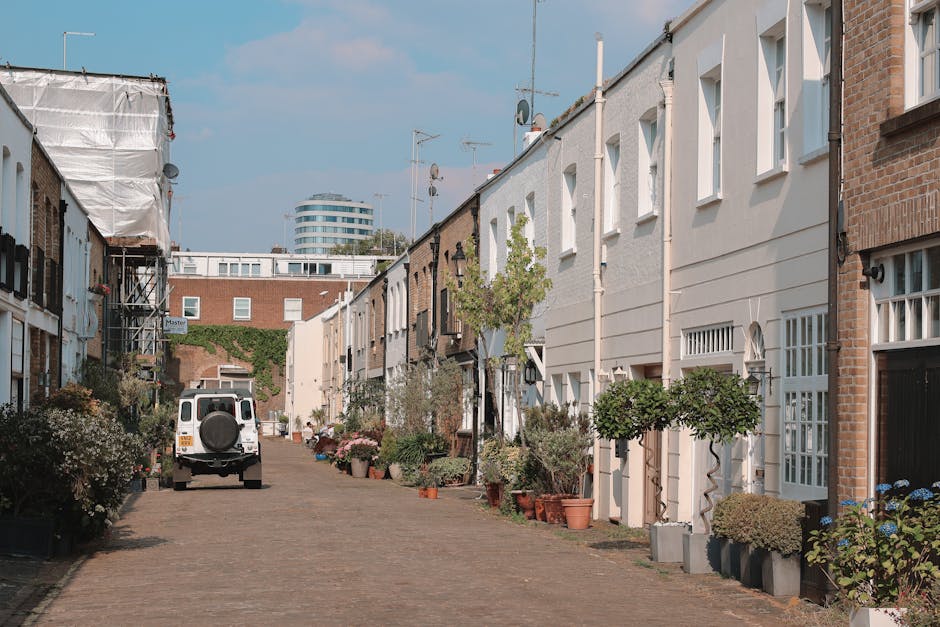
If you live on or near Kilburn High Road, you probably know the routine: busy mornings, late finishes, a bit of rain, then suddenly the garden has gone from "fine" to "how did it get like this?" This Kilburn High Road garden maintenance guide for busy homes is built for exactly that kind of life. It is for people who want an outdoor space that looks cared for without spending every spare Saturday fighting weeds, cutting back hedges, or staring at a lawn that has quietly turned patchy and tired.
The good news? A tidy, healthy garden does not need constant attention. It needs the right rhythm, a few smart habits, and clear priorities. In this guide, you will find a practical, local-minded approach to keeping a front garden, courtyard, terrace, or small back garden manageable even when your week is already full. We will cover what matters most, what to do first, what to leave to the pros, and how to keep standards sensible rather than perfect. Truth be told, perfect is overrated anyway.
Expert summary: The easiest way to stay on top of garden care in a busy home is to break maintenance into small, repeatable tasks, focus on safety and tidiness first, and book help for the jobs that become stressful, messy, or time-consuming.
Why Kilburn High Road garden maintenance matters
Busy homes in Kilburn often have one thing in common: the garden has to fit around life, not the other way around. That sounds obvious, but it changes how you maintain it. A garden in this part of London may be small, shaded by neighbouring buildings, exposed to street dust, or split between paving, planters, fencing, and one stubborn patch of lawn. If maintenance slips for even a few weeks, you can feel it quickly. Leaves collect. Boundaries get untidy. Moss creeps in. Weeds appear in the joints. Then what should have been a simple tidy-up turns into a half-day clear-out.
Regular garden maintenance matters because it protects both appearance and long-term condition. A tidy garden is easier to use, easier to keep safe, and usually cheaper to maintain than one that is left to drift. For homes with children, pets, shared access, or a small outdoor seating area, this becomes even more important. Loose cuttings, slippery paths, low branches, and overgrown edges are not just unattractive; they are annoying at best and risky at worst.
There is also the practical side. In a busy household, an outdoor space that is easy to reset becomes a proper asset. You can step outside with a coffee, hang washing without tripping over plant growth, or use the patio after a workday without feeling like you need gardening gloves just to sit down. That small feeling of order makes a bigger difference than people expect.
Local conditions matter too. Inner London gardens can deal with more shade, reflected heat from paving or walls, and limited space for large plants to thrive. In other words, what works in a spacious suburban garden may be a poor fit here. Maintenance needs to be tuned to the space, not copied from a magazine spread that has never seen a Kilburn back yard in November.
If you want a broader service overview before getting into the details, the services overview is a useful place to start. For routine care, the main garden maintenance service gives a clearer idea of what ongoing upkeep usually covers.
How Kilburn High Road garden maintenance guide for busy homes works
A good maintenance plan works in layers. You do the quick jobs often, the medium jobs on a sensible schedule, and the bigger jobs only when they are needed. That is the basic idea. Nothing fancy. But it is the difference between a garden that stays manageable and one that slowly becomes a weekend punishment.
For most busy homes, maintenance can be grouped into four levels:
- Weekly touch-ups: sweeping, light weeding, checking watering, removing dead leaves, and keeping paths clear.
- Fortnightly or monthly tasks: mowing, edging, pruning soft growth, and trimming back anything that is getting in the way.
- Seasonal work: hedge shaping, deeper clearing, soil refresh, planting changes, and checking drainage or damaged areas.
- Occasional specialist work: tree pruning, major clearance, landscaping repairs, or restoring a neglected area.
The trick is not to treat everything as an urgent task. A lot of people in busy homes either ignore the garden for too long or try to do everything at once. Both approaches are exhausting. A better approach is to create a repeatable loop: observe, tidy, cut back, reset. Then repeat.
In practical terms, that might mean spending ten minutes midweek picking up fallen leaves and checking the boundary beds, then booking a more thorough visit every few weeks for mowing or hedge trimming. If the garden includes decking, paving, or a small seating area, it helps to think about the whole space rather than just the plants. A clean patio and a tidy fence line can make the whole area feel cared for, even when the planting is fairly minimal.
Where there is heavy growth, structural work, or a space that has got away from you, it can be worth looking at garden clearance before routine maintenance starts again. Clearing first, then maintaining, is often much simpler than trying to maintain a neglected space in place. Not glamorous, but effective.
Key benefits and practical advantages
The best benefit is obvious: less stress. But there are several practical gains that are easy to overlook until you stop doing them.
- Less weekend pressure: smaller, regular jobs are easier to fit around work, family, and travel.
- Better kerb appeal: front gardens and visible boundaries look cared for, which matters on a busy street.
- Healthier growth: mowing, trimming, and pruning at the right time keeps plants in better shape.
- Lower risk of nuisance problems: overgrowth, blocked drains, slippery paths, and messy edges are less likely to build up.
- More usable outdoor space: a garden you can actually step into is far more valuable than one you avoid.
- Lower long-term cost: light upkeep is usually easier and cheaper than recovery work after months of neglect.
There is also a quieter advantage: maintenance creates confidence. When you know the garden is in hand, it stops hanging over you in the background. That mental relief matters. A lot. People rarely say it out loud, but a messy outdoor space can make a home feel unfinished, especially in a compact London property where every square metre counts.
If lawns are part of the picture, regular lawn mowing is one of the simplest ways to keep the whole space looking sharp. If hedges or boundary planting are getting bulky, hedge trimming can bring back shape and stop the garden from feeling boxed in.
Who this is for and when it makes sense
This guide is especially relevant if your household is busy, your garden is modest in size, and your time is always slightly overbooked. In other words: most real homes. It tends to suit families, professionals, renters with outdoor space, homeowners preparing to sell, and anyone who simply does not want to spend their only free afternoon sorting bindweed.
It also makes sense if:
- you only notice the garden when it has already become a problem
- the space is small but visible from the street
- your garden has mixed surfaces such as lawn, paving, decking, and beds
- you need predictable upkeep rather than one-off bursts of effort
- you share the property and want a reliable standard of presentation
A common scenario is a couple with long commutes and a child or two, trying to keep a small back garden usable without turning every Saturday into a maintenance day. Another is a landlord or homeowner who wants the outside to look tidy for viewings, guests, or everyday life. There is no shame in asking for help either. Quite the opposite. Knowing when to outsource the awkward jobs is a sign of good judgment, not laziness.
If you are weighing up whether to use a professional service, it can help to read about the company first. The about us page gives a useful sense of approach, while pricing and quotes is the logical next stop when you want to compare your options.
Step-by-step guidance
Here is a practical way to keep a busy home garden under control without overcomplicating it.
1. Start with a quick space audit
Walk the garden and note what is actually causing the problem. Is it the lawn? The hedge? Fallen leaves? Moss on paving? Pots drying out? This matters because most neglected gardens do not need everything done at once. They need the worst three things fixed first.
2. Separate safety issues from cosmetic issues
Anything that blocks paths, catches clothing, hides broken fencing, or creates slipping hazards goes to the top of the list. A neat border is nice. A clear path is better. A branch scraping a wall, a loose slab, or a pile of cuttings near an entrance should be dealt with early.
3. Reset the boundary line
Edges change the whole look of a space. Trim hedges, neaten fence lines, and cut back anything spilling over hard surfaces. This gives the garden shape again. Once the outline is visible, everything else becomes easier to judge.
4. Clear debris and dead material
Leaves, broken stems, and old mulch can make a garden look older and more tired than it really is. Clearing these away improves airflow, helps plants breathe, and makes the space feel cleaner straight away. You can almost hear the garden relax. Slightly dramatic, perhaps, but you get the idea.
5. Tackle lawn care or replace weak lawn areas
If your garden has grass, keep the cut height sensible and avoid letting it become either scalped or shaggy. In shady or heavily used spaces, lawn quality often dips. At that point, maintenance should include repair thinking, not just mowing. Sometimes the honest answer is to reduce the lawn area and use more durable planting or paving where appropriate.
6. Deal with planting in the right rhythm
Choose plants that suit the light and the amount of care you can realistically give. Busy homes usually do better with robust planting, low-maintenance shrubs, and containers that can be checked quickly rather than delicate beds that demand constant attention. If planting has become awkward or tired, a little landscape gardening can improve structure and reduce future work.
7. Build a maintenance calendar that is actually manageable
This is where many people slip. The schedule must fit your life. If you travel often or work late, plan for short, predictable windows rather than ambitious garden marathons. A realistic plan beats a perfect one every time.
A simple monthly pattern can look like this:
- week 1: tidy and inspect
- week 2: mow or trim
- week 3: weed, sweep, and prune light growth
- week 4: review, water, and reset
It does not need to be exact. It just needs to exist.
Expert tips for better results
The best-maintained busy-home gardens are rarely the most elaborate. They are the most consistent. That is the bit people underestimate.
- Keep the design simple: fewer plant types often mean less stress and fewer mistakes.
- Use containers wisely: pots are useful, but too many becomes a watering burden.
- Mulch exposed soil: it helps suppress weeds and hold moisture, especially in warmer spells.
- Cut before growth gets wild: small trims are easier than large corrections.
- Think in zones: focus on the bits you actually see and use most.
- Combine tasks: if you are already outside, do the extra two-minute job while you are there.
A small example: if your back garden has a seating area just outside the kitchen, keep that zone extra tidy. It is the one you see every day. A clean threshold changes how the whole home feels. That first view in the morning, with a bit of daylight on the paving and a tidy edge to the border, sets a better tone than people expect.
It also helps to think seasonally. Spring and early summer often need more frequent attention because everything grows faster. Late autumn tends to bring leaves, damp, and a bit of mess that accumulates silently. Winter is often about prevention and keeping access clear. Each season has its own personality, honestly.
Common mistakes to avoid
Busy homes often make the same handful of errors, usually because time is tight and the garden gets dealt with in a rush.
- Waiting too long between visits: letting growth get away from you makes every job harder.
- Cutting too much at once: over-pruning can stress plants and make hedges look sparse.
- Ignoring pathways and edges: the garden may have healthy plants, but still look untidy.
- Using the wrong plants for the space: high-maintenance planting can become a recurring headache.
- Only fixing what is visible: hidden drainage or boundary issues will come back if left untouched.
- Trying to do clearance and maintenance in one go: sometimes that is possible, but often it is just too much.
There is also the classic mistake of buying more tools instead of solving the actual problem. A shiny new gadget can be oddly satisfying, but if the real issue is that the hedge is too large for your schedule, the answer is better planning or getting help with the heavier work. Garden kit is fun. Time is funner. Not a word, I know, but it fits.
Tools, resources and recommendations
You do not need a shed full of equipment to maintain a busy-home garden well. In fact, too many tools can make the job slower because you spend half the time looking for them. A compact, dependable set is usually enough.
| Task | Useful tools | Notes for busy homes |
|---|---|---|
| General tidy-up | Gloves, rake, stiff broom, trug or bucket | Keep them near the back door so quick jobs are actually quick. |
| Mowing | Lawn mower, edging tool, grass collector | Choose a mower that suits the size of the lawn rather than the most powerful option. |
| Hedge and shrub trimming | Secateurs, hedge trimmer, loppers | Use the right tool for branch size; forcing the wrong one creates mess and strain. |
| Leaf and debris removal | Rake, leaf sack, tarpaulin | Helpful in autumn and after windy spells. |
| Surface cleaning | Broom, pressure washer used carefully, weed scraper | Be mindful of surface type, drainage, and slippery areas. |
For more involved work, especially if the garden has overgrown shrubs or trees, professional help may be the sensible choice. The tree lopping and removal service is relevant where branches are becoming a problem or a tree needs proper assessment. For heavier tidy-ups, garden clearance can reset a space before routine care begins again.
If your garden includes paved areas or a timber structure, it is also worth looking at decking services and general landscaping when surfaces or layout are part of the maintenance problem rather than just the planting. Sometimes the right fix is not more pruning. It is a better layout.
Law, compliance, standards, and best practice
Most everyday garden maintenance is straightforward, but there are a few best-practice points worth keeping in mind, especially in a dense urban setting like Kilburn High Road.
First, safety matters. Any work involving ladders, power tools, heavy cutting, or tree-related tasks should be handled with care and proper judgement. A well-run provider should have clear working practices, sensible insurance, and a cautious approach to risk. If you are comparing providers, the insurance and safety page is useful for understanding how those basics are handled.
Second, waste should be managed responsibly. Green waste, timber offcuts, and bulky cuttings should not just be dumped or left out to become someone else's problem. Good practice is to remove, sort, and dispose of waste properly, with recycling where possible. If environmental responsibility matters to you, the recycling and sustainability page is worth a look.
Third, any service relationship should be clear about scope, payment, and expectations. That is not just admin fluff. It avoids confusion about what is included in a visit and what counts as extra work. For that reason, terms and conditions and payment and security are worth checking before you book ongoing maintenance.
If you want reassurance about how a provider handles concerns, there is also a published complaints procedure, which is always a good sign. No one enjoys using it, of course, but it is better to know it exists than to be left guessing.
Options, methods, and comparison table
There is more than one way to keep a busy-home garden in order. The right method depends on time, budget, and how much of the work you want to take on yourself.
| Approach | Best for | Pros | Trade-offs |
|---|---|---|---|
| DIY weekly upkeep | Very small gardens and hands-on homeowners | Low cost, immediate control, flexible | Easy to fall behind; requires discipline |
| Mixed DIY and professional support | Busy homes needing balance | Efficient, realistic, less stress | Needs coordination and a clear schedule |
| Regular professional maintenance | Homes with limited time or more complex gardens | Consistent standard, less effort, better for demanding tasks | Ongoing cost; requires trust in the provider |
| One-off clearance then light upkeep | Neglected or overgrown gardens | Fast reset, easier to restart routine | May not suit gardens that need frequent control |
For many Kilburn households, the mixed approach is the sweet spot. You handle the simple touch-ups. A professional handles the disruptive or time-hungry work. That can include mowing, hedge work, clearance, or improvement projects that change the garden from hard work into easy maintenance.
Case study or real-world example
A typical local example is a small terrace garden with a narrow lawn, two planters, a hedge at the rear boundary, and a decked seating area. During spring, the garden looked fine if you glanced at it. But once the owners got busy with work and school runs, the lawn grew uneven, the hedge spilled over the fence, and leaves gathered under the deck edge. Nothing dramatic. Just enough to make the whole space feel unfinished.
The solution was not a full redesign. That would have been overkill. Instead, the garden was reset in stages. First came a tidy-up and clearance of dead material. Then the hedge was shaped back to a manageable line. The lawn was brought under control with a steadier mowing pattern. Finally, the deck edges and paths were cleaned so the hard surfaces matched the rest of the space. Small changes, really. But the result was that the owners could maintain it in short bursts after that, rather than needing long recovery sessions every month.
That is the point of a sensible maintenance guide for busy homes. The goal is not perfection. It is a garden that stays pleasant without becoming another job you resent. And that difference is huge.
Practical checklist
Use this checklist to keep your garden manageable without overthinking it.
- Walk the garden and note the top three problem areas
- Clear obvious debris, leaves, and broken cuttings
- Check paths, steps, and access points for hazards
- Trim growth that blocks movement or makes the space feel cramped
- Mow or edge the lawn if it is part of the garden design
- Water containers and newly planted areas as needed
- Remove weeds before they set seed or spread
- Review any tree, hedge, or boundary issues that need specialist attention
- Decide what you can keep doing yourself and what should be outsourced
- Set a realistic schedule for the next month
Quick reminder: if a job keeps slipping off your list, that is a useful clue. It may not belong on your DIY list at all.
Conclusion
A good Kilburn High Road garden maintenance guide for busy homes should make life easier, not more complicated. The best approach is simple: keep the space clear, maintain the visible areas first, use a realistic schedule, and bring in help for the jobs that are too big, too awkward, or too time-consuming to handle properly on your own.
Whether your garden is a compact courtyard, a small back plot, or a front space that is always on show, steady maintenance will save time, reduce stress, and keep everything feeling more under control. And once that rhythm is in place, the garden stops being a guilty thought and starts becoming part of home again. Nice, calm, usable. That is the aim.
If you are ready to turn that plan into action, the next step is to explore the available garden maintenance support, compare the scope of services, and decide how much you want to keep off your own plate.
Get a free quote today and see how much you can save.
Frequently Asked Questions
How often should a busy home garden be maintained?
For most busy homes, a light weekly tidy plus a more thorough visit every few weeks works well. If the garden has fast-growing hedges, a lawn, or shaded areas that collect debris quickly, you may need slightly more frequent attention during spring and summer. The key is consistency rather than long, exhausting sessions.
What should I prioritise first in an overgrown garden?
Start with safety and access. Clear paths, remove obvious debris, and cut back anything blocking entrances or walkways. After that, deal with the most visible areas and the worst growth. A little order at the front or near the door tends to make the whole space feel better fast.
Is regular mowing enough to keep a lawn healthy?
Not usually on its own. Mowing helps, but lawns also need sensible cutting height, occasional weed control, and attention to drainage or wear. In shady or heavily used spaces, lawn quality can decline even with regular cuts, so repairs or layout changes may be needed too.
What is the difference between garden clearance and maintenance?
Garden clearance is usually a one-off or occasional reset for a garden that has become cluttered, overgrown, or difficult to manage. Maintenance is the ongoing work that keeps it in good shape afterwards. Many people need clearance first, then maintenance to stop the problem coming back.
Can I manage a small Kilburn garden myself?
Yes, if the garden is simple and you have realistic expectations. Small spaces can be easier to handle, but they can also be surprisingly fiddly if they contain mixed surfaces, containers, and fast-growing plants. A mixed approach, with some professional support, often works best for busy homes.
How do I know when a hedge needs trimming?
If a hedge is starting to obscure light, encroach on paths, or lose its shape, it probably needs attention. For many homes, trimming before growth gets too far ahead is the easiest way to keep it neat. Waiting too long usually means a bigger job and a messier finish.
Do I need professional help for tree work?
For small dead twigs or very light maintenance, perhaps not. But anything involving larger branches, awkward height, or uncertainty about the tree's condition should be handled carefully and, ideally, by someone experienced. Tree work can become risky quickly, so it is one of those jobs that is worth respecting.
What kind of garden maintenance is best for low-maintenance households?
Simple planting, clear paths, controlled lawn areas, and regular light upkeep tend to work best. Busy homes often do better with robust shrubs, container planting in moderation, and hard landscaping that reduces the amount of weekly work required. Less fuss, fewer regrets.
How much should I budget for ongoing maintenance?
That depends on garden size, complexity, and how often work is needed. Instead of guessing, it is better to ask for a tailored quote and compare what is included. A quote that clearly sets out the scope is more useful than a vague low number that hides extra costs later.
What if I only need help a few times a year?
That can still make sense. Some homes only need seasonal help, a spring reset, or an autumn clear-up. If your garden is generally manageable but occasionally gets away from you, occasional professional support may be the most sensible and budget-friendly option.
How can I keep the garden tidy between visits?
Keep a broom, gloves, and a small trug or bag near the back door so you can do quick resets in minutes. Focus on fallen leaves, weeds in paths, and any growth that is starting to block access. Small habits matter more than grand plans, especially when life is busy.
Who should I contact if I want to discuss options?
If you want to talk through the best approach for your garden, the simplest route is the contact page. You can also review the main services overview first if you prefer to understand the available options before reaching out.